Understanding Breast Uplift Surgery
A breast uplift, clinically referred to as a mastopexy, is a surgical procedure designed to raise and reshape sagging breasts. During the operation, we remove excess skin, gently tighten the surrounding tissue, and reposition your areola. This careful process helps to restore a firmer, more elevated appearance.
You might consider a breast uplift if your breasts have lost their natural shape. This loss of shape frequently occurs following pregnancy, breastfeeding, significant weight changes, or simply as a natural part of ageing. The surgery improves your overall breast contour, helping them look higher and more symmetrical.
Please note that a breast uplift alone will not increase your breast size. However, if you wish to achieve greater fullness, we can safely combine this procedure with breast implants. We tailor every surgery to meet your specific physical goals. During your consultation, one of our experienced surgeons will thoroughly discuss your needs and guide you toward the best approach for your body.
What Happens During a Breast Uplift Procedure
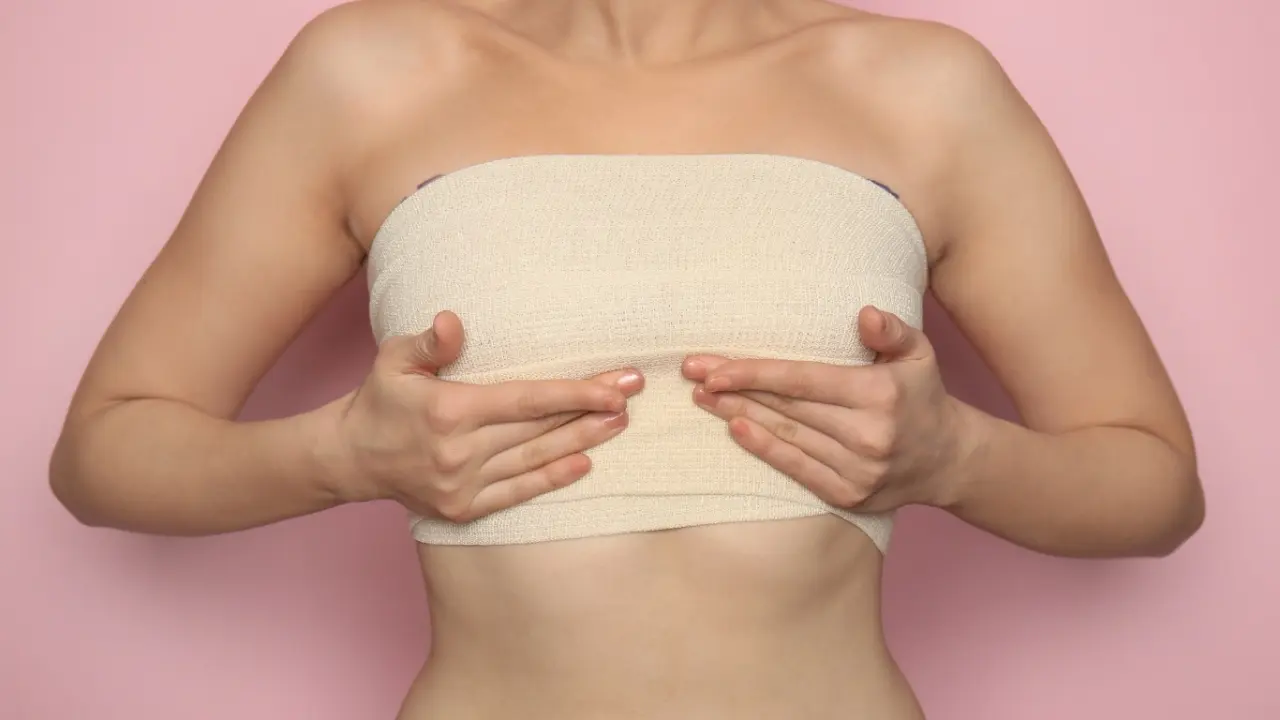
A breast uplift, also known as mastopexy, is performed to improve the position, shape, and firmness of the breasts. The procedure involves removing excess skin and tightening the remaining tissue to create a lifted, more youthful contour. During surgery, the nipple and areola are usually repositioned to a more natural height, and in some cases, the areola may also be reduced in size to achieve a more balanced appearance.
Your surgeon will recommend the most appropriate incision technique based on your anatomy, the degree of sagging, and the result you would like to achieve. There are three common incision patterns used in breast uplift surgery: periareolar, which is placed around the areola; vertical, which extends around the areola and down to the breast crease; and anchor, which includes an incision around the areola, down to the breast crease, and along the crease itself.
Once the incisions have been made, the underlying breast tissue is reshaped and any excess skin is removed. This allows the breasts to be lifted and refined, helping to achieve a firmer, more proportionate, and natural-looking result.
Is a Breast Uplift Right for Me?
A breast uplift may be suitable if your breasts have begun to droop or lose shape due to pregnancy, ageing, weight loss, or genetics. It is generally best suited to patients who are in good overall health, do not smoke or are willing to stop before and after surgery, and have realistic expectations about the results. If you are planning future pregnancies, it is important to be aware that this can affect your outcome over time. During your consultation, your surgeon will assess your needs and discuss whether a breast uplift is the most appropriate option for you.
What Are The Benefits of Mastopexy?
A breast uplift is designed to restore a firmer, more youthful breast shape by improving position, contour, and symmetry. Many patients choose this procedure to address sagging and achieve a more balanced appearance that feels in proportion with the rest of the body. In addition to the physical changes, a breast uplift can also improve confidence and comfort in clothing, swimwear, and everyday life.
What Are The Risks of a Breast Uplift?
As with any surgical procedure, a breast uplift carries some risks. These can include infection, delayed wound healing, scarring, changes in nipple sensation, and possible changes in breast shape over time. There are also general surgical and anaesthetic risks to consider. Your surgeon will explain these clearly during your consultation, answer any concerns you may have, and ensure you have the information you need to make a confident and fully informed decision.
FAQs
Considering surgery often comes with questions about the procedure, recovery, and results. Our FAQ section provides clear, concise answers to help you make informed decisions and feel confident in your journey.
What happens in a breast uplift procedure?
A breast uplift, also known as mastopexy, involves removing excess skin and tightening the remaining tissue to lift and reshape sagging breasts. The surgeon may also reposition the areola and nipple to achieve a more youthful and natural appearance.
How long will it take to recover from a breast uplift?
Recovery typically takes 6-8 weeks. You may be able to return to work within 1-2 weeks, but strenuous activities should be avoided for at least 4-6 weeks to ensure proper healing.
Can I combine a breast uplift with breast implants?
Yes, many women opt to combine a breast uplift with breast implants for enhanced volume and lift. This combination can provide a fuller, more youthful breast shape, but your surgeon will assess whether this is suitable for your body and goals.
Will there be scars after a breast uplift?
Scarring is a natural part of the healing process. The extent and visibility of scars depend on the technique used, but they are generally located along the breast crease, around the areola, or vertically from the areola to the breast crease. Over time, scars typically fade and become less noticeable.
How much does a breast uplift cost?
The cost of a breast uplift varies depending on factors such as the surgeon’s expertise, location, and the complexity of the procedure. It is best to book a consultation for a personalised quote. Many clinics offer financing options to make the procedure more accessible.